Common Types of Stone Used and How They’re Restored
People seeking stone restoration often want to restore and preserve surfaces made of common types of stone, and local service providers can expertly handle these restoration needs.
Understanding the common types of stone used in construction and decor is essential for property owners looking to preserve the beauty and integrity of their investments. Whether it’s historic facades, elegant flooring, or outdoor features, knowing the materials involved can help determine the best approach for restoration and maintenance. Local service providers specializing in stone restoration are well-versed in the unique characteristics of different stones and can offer tailored solutions to restore their original luster and durability.
For property owners in the area, exploring how these stones are restored can provide practical benefits, such as extending the lifespan of valuable surfaces and maintaining aesthetic appeal. Skilled local contractors can assess the condition of various stone types and recommend appropriate restoration techniques to address issues like staining, cracking, or surface wear. Keeping informed about the common types of stone used and their restoration methods ensures that property features remain both beautiful and resilient for years to come.
- Marble surfaces - homeowners noticing etching or dullness can rely on local contractors to restore their natural shine with specialized polishing techniques.
- Granite countertops - when chips, cracks, or stains appear, local service providers can perform repairs and sealing to maintain durability and appearance.
- Limestone flooring - signs of wear or discoloration prompt local pros to carefully clean and restore the stone’s original texture and color.
- Travertine tiles - if the surface becomes scratched or stained, local contractors can re-polish and reseal to protect against further damage.
- Slate surfaces - for chipped or weathered slate, local service providers can restore its natural look through cleaning, repair, and protective sealing.
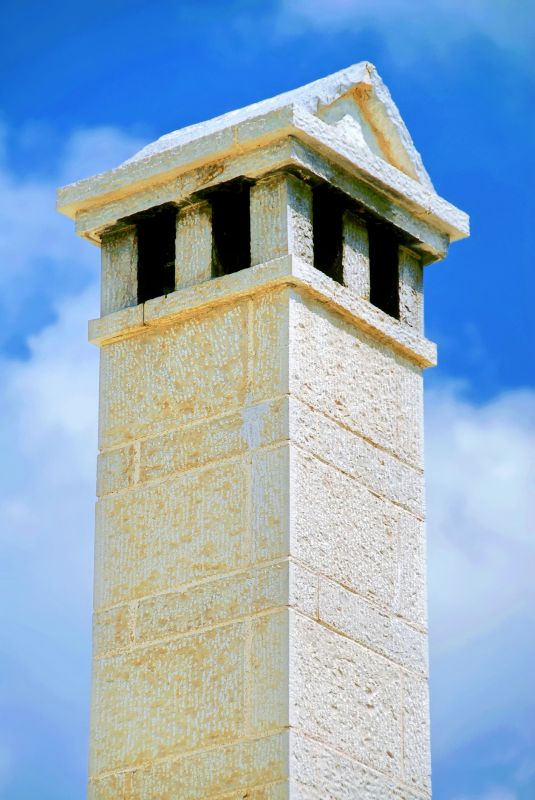
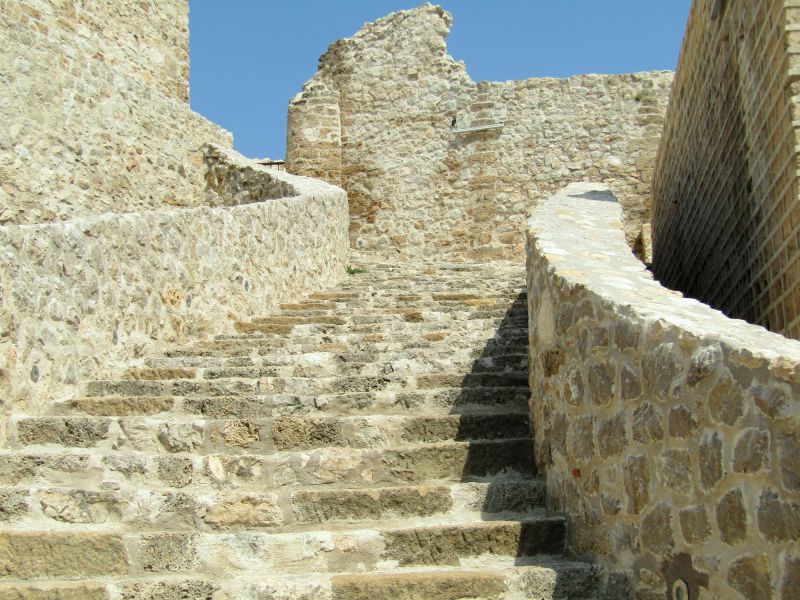
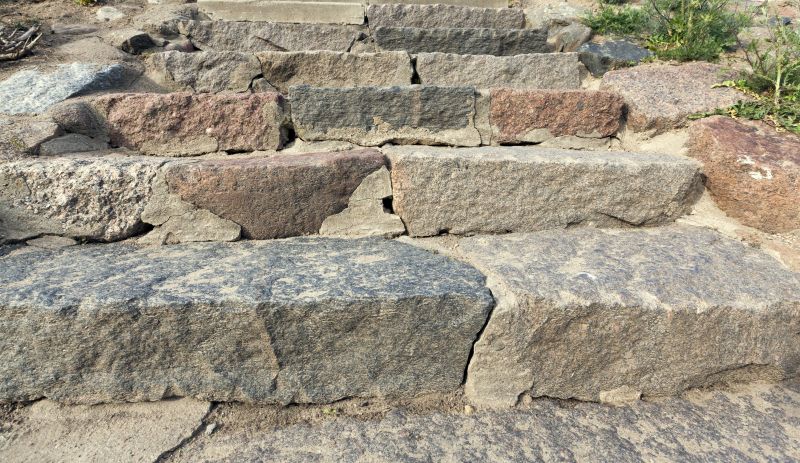
When searching for information about common types of stone used and how they’re restored, homeowners often want to understand the variety of materials that make up their property’s hard surfaces. This topic typically comes up in the context of maintaining or restoring features like patios, walkways, fireplaces, and countertops. Many property owners notice signs of wear, staining, or damage on their stone surfaces and seek solutions to restore their original appearance. Understanding the different types of stone and the best methods to care for them helps homeowners plan effective restoration projects, whether for aesthetic reasons or to prolong the lifespan of their investments.
Common types of stone used in residential and commercial properties include granite, marble, limestone, sandstone, and slate. Each material has unique characteristics that influence how it responds to environmental exposure and wear. For example, granite is known for its durability and resistance to scratching, making it popular for outdoor surfaces and kitchen countertops. Marble, valued for its elegance, can be more susceptible to staining and etching, requiring specialized restoration techniques. Limestone and sandstone are softer stones often used in historic or decorative applications, and they may need gentle cleaning and repair to address surface erosion or cracks. Slate is favored for its natural appearance and weather resistance but can also develop chips or surface wear over time.
Restoration methods for these stones typically involve cleaning, repairing, and sealing to bring back their original look and protect against future damage. Cleaning may include removing stains, dirt, or biological growth that can dull the surface. Repair work can involve filling cracks, reattaching loose pieces, or grinding down uneven areas. For stones like marble and limestone, honing and polishing are common to restore a smooth, shiny finish. Sealing is often recommended after restoration to prevent staining and surface deterioration. Local contractors who specialize in stone restoration use a range of techniques and tools tailored to each type of stone, ensuring the process respects the material’s properties and achieves a durable, attractive result.
Property types that frequently require attention to common types of stone and their restoration include historic buildings, outdoor patios, driveways, pool decks, and interior features like fireplaces and flooring. These surfaces are exposed to weather, foot traffic, and daily use, which can lead to surface erosion, staining, or structural issues over time. Homeowners with stone features that have become dull, cracked, or stained often seek professional restoration to revive their appearance and extend the life of their surfaces. Connecting with experienced local service providers ensures that the restoration work is performed with the appropriate techniques and understanding of each stone’s unique needs, helping property owners preserve their investment and maintain the aesthetic appeal of their property.
Marble polishing projects - professionals skilled in restoring the shine and smoothness of marble surfaces, similar to those used in interior stone features and flooring.
Granite countertop restoration - local contractors experienced in repairing and sealing granite surfaces, ensuring durability and aesthetic appeal.
Limestone cleaning services - specialists who can safely clean and restore limestone used in architectural elements and flooring.
Slate flooring refinishing - service providers capable of restoring the natural texture and appearance of slate used in patios and indoor floors.
Travertine repair and sealing - experts who handle the unique needs of travertine, including filling cracks and applying protective finishes.
Natural stone fireplace restoration - local contractors skilled in cleaning, repairing, and restoring various stone types used in fireplaces and hearths.

When evaluating local contractors for stone restoration services, experience with similar projects is an important factor to consider. Homeowners should inquire about the types of stone the service providers have worked with, such as limestone, marble, granite, or slate, and whether they have handled restoration tasks specific to those materials. A contractor’s familiarity with common types of stone used and how they’re restored can help ensure the work will be performed correctly, preserving the stone’s natural beauty and structural integrity. Additionally, it’s beneficial to review any available references or examples of past projects that demonstrate their expertise in restoring similar stone surfaces, providing insight into their capabilities and the quality of their work.
Clear written expectations are crucial when comparing local contractors for stone restoration. Homeowners should seek detailed information about the scope of work, including the specific restoration techniques that will be used and how they address the unique characteristics of different stone types. A reputable service provider will be transparent about what the process entails, what results to expect, and any potential limitations. Having this information in writing helps to prevent misunderstandings and ensures that both parties are aligned on the project goals. It also provides a basis for evaluating whether the contractor’s approach aligns with the homeowner’s needs and preferences.
Good communication is a key element in selecting the right local service providers for stone restoration. Homeowners should look for contractors who are responsive to questions, provide clear explanations about the restoration process, and are willing to discuss options tailored to the specific types of stone involved. Open and transparent communication can help clarify any concerns about how the restoration will be handled and what maintenance might be necessary afterward. Choosing a contractor who values clear dialogue and keeps the homeowner informed throughout the project can lead to a smoother experience and a result that meets expectations.
Property owners often search for common types of stone used and how they’re restored when they are planning practical projects around their homes and businesses. Local pros provide Stone Restoration services for everyday jobs and straightforward project options.
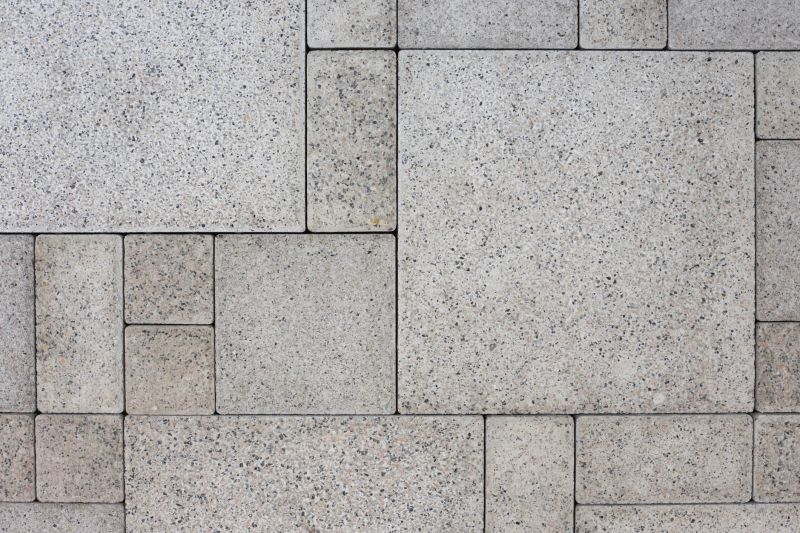
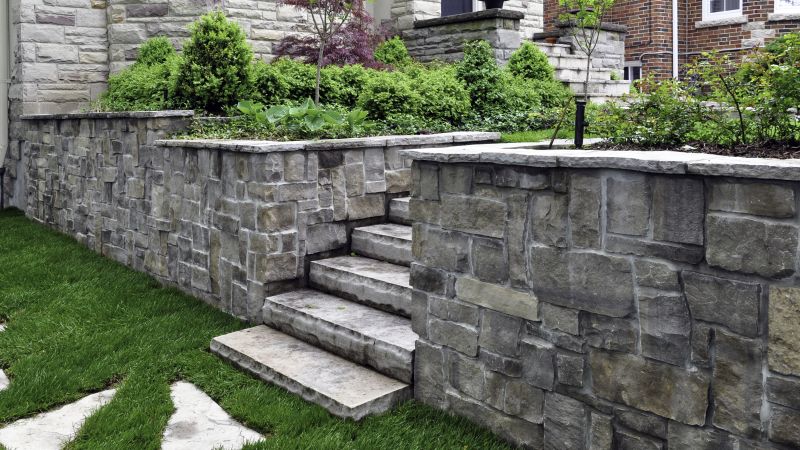
Many property owners in the area turn to local contractors when dealing with common types of stone used in their homes and outdoor spaces, especially when they notice signs of wear or damage. Natural stones like granite, limestone, and sandstone are popular choices for patios, walkways, and facades, but over time, they can become stained, chipped, or weathered. Restoring these surfaces often involves cleaning, repairing, or re-sealing the stone to bring back their original appearance and durability. Local service providers are equipped to assess the condition of different stone types and recommend appropriate restoration methods to help maintain their beauty and function.
Restoring common types of stone used often requires specialized techniques tailored to each material’s unique properties. For instance, softer stones like limestone may need gentle cleaning and sealing, while more durable stones like granite might benefit from polishing or crack repair. Property owners seeking to extend the life of their stone surfaces or improve their appearance typically look for experienced local contractors who understand how to handle various stones and perform effective restoration work. These professionals can help ensure that the stone remains resilient and visually appealing, whether it’s a historic facade or a modern outdoor feature.
What are the most common types of stone used in building and decoration? Common types of stone used include marble, granite, limestone, travertine, and slate, each valued for their durability and aesthetic appeal. Local contractors experienced in stone restoration can identify the specific type of stone and recommend appropriate restoration methods. They can also advise on how to maintain the stone’s appearance over time.
How do professionals restore marble and granite surfaces? Restoration of marble and granite involves cleaning, polishing, and sometimes honing to remove scratches, stains, and etching. Skilled service providers use specialized tools and products to restore the stone’s natural shine and smoothness, ensuring a long-lasting finish.
What techniques are used to restore limestone and travertine? Limestone and travertine are often restored through gentle cleaning, sealing, and re-polishing. Restoration experts may also address surface pitting or staining by applying appropriate fillers and sealants to protect against future damage.
Can slate and other natural stones be restored effectively? Yes, slate and other natural stones can be restored through cleaning, sealing, and sometimes resurfacing. Local service providers can assess the condition of the stone and select the best restoration approach to enhance its appearance and durability.
What are common methods for restoring stone surfaces that have suffered from staining or etching? Restoration often involves cleaning to remove stains, polishing to restore shine, and sealing to prevent future damage. For etched surfaces, honing and re-polishing are used to restore the stone’s smoothness and appearance, with local contractors providing tailored solutions based on the stone type.
Identifying common stone types helps property owners understand which restoration methods are suitable for their surfaces and ensures proper care during repairs by local contractors.
Assessing damage and wear allows property owners to plan targeted restoration projects, such as cleaning or sealing, with the help of local pros experienced in stone restoration.
Choosing the right restoration techniques ensures that natural stone surfaces like marble or granite are preserved and restored effectively by local service providers.
Planning ongoing maintenance can extend the life of stone features and prevent future damage, with guidance from local pros on proper cleaning and preservation methods.
If you are thinking about common types of stone used and how they’re restored for a property, this guide is meant to help you understand this topic, the typical project types, and how different options might fit your plans.
When you are ready, you can use the quote form on this page to share a few details about your project. From there, local pros can review the basics and follow up with options that match what you have in mind.